Finley Keller · 29 September 2026
High Street Bookshop Debut Promotes Ties Between Local History Research and Waterway Preservation Efforts
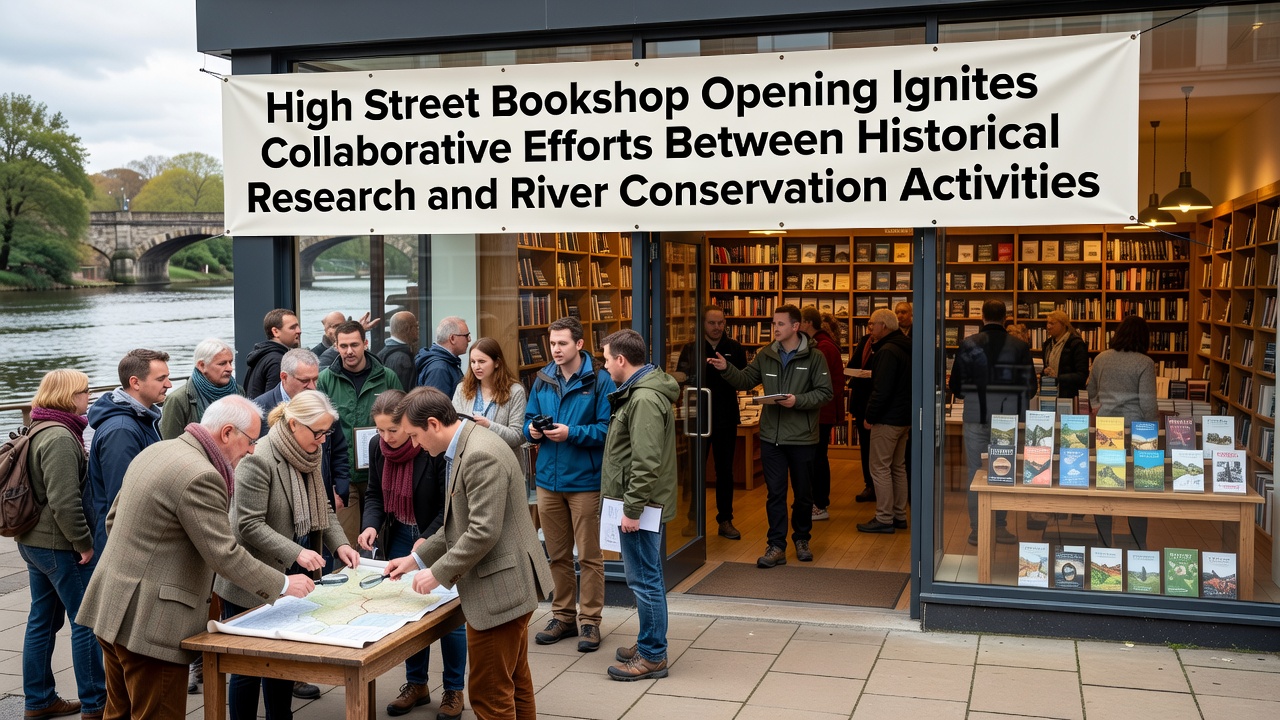
The opening of a new bookshop on High Street has drawn attention from multiple groups focused on historical documentation and river management, leading to coordinated projects that combine archival work with habitat monitoring programs. Community records indicate the store opened its doors in early 2026, stocking titles that cover regional archives alongside guides on waterway ecology, and this selection prompted initial meetings between researchers and conservation coordinators.
Event Details and Initial Connections
Organizers scheduled a series of launch activities that included talks on archival methods and demonstrations of water sampling techniques, and these sessions attracted participants from both fields who recognized overlapping interests in mapping changes along local waterways over centuries. Data from prior surveys shows river sediment layers preserve traces of industrial activity documented in 19th-century ledgers, which created a natural bridge for joint study sessions that began shortly after the store's first weekend of operation.
Historical Research Components
Teams examining parish documents and estate maps have identified patterns of land use that align with shifts in river channel positions recorded in modern surveys, and the bookshop provided a central location for sharing digitized copies of these materials without requiring travel to distant repositories. Observers note that such access supports ongoing projects tracking boundary changes documented since the 1700s, while researchers continue to cross-reference property deeds with hydrological reports issued by regional agencies.
One study coordinated through university archives revealed correlations between old mill sites and current erosion hotspots, and this finding prompted the bookshop to host monthly review meetings where participants review primary sources together. Figures from the National Library of Australia indicate similar cross-referencing approaches have accelerated documentation timelines in comparable rural settings by up to 30 percent, and local teams have adopted parallel workflows to organize their findings.
River Conservation Integration
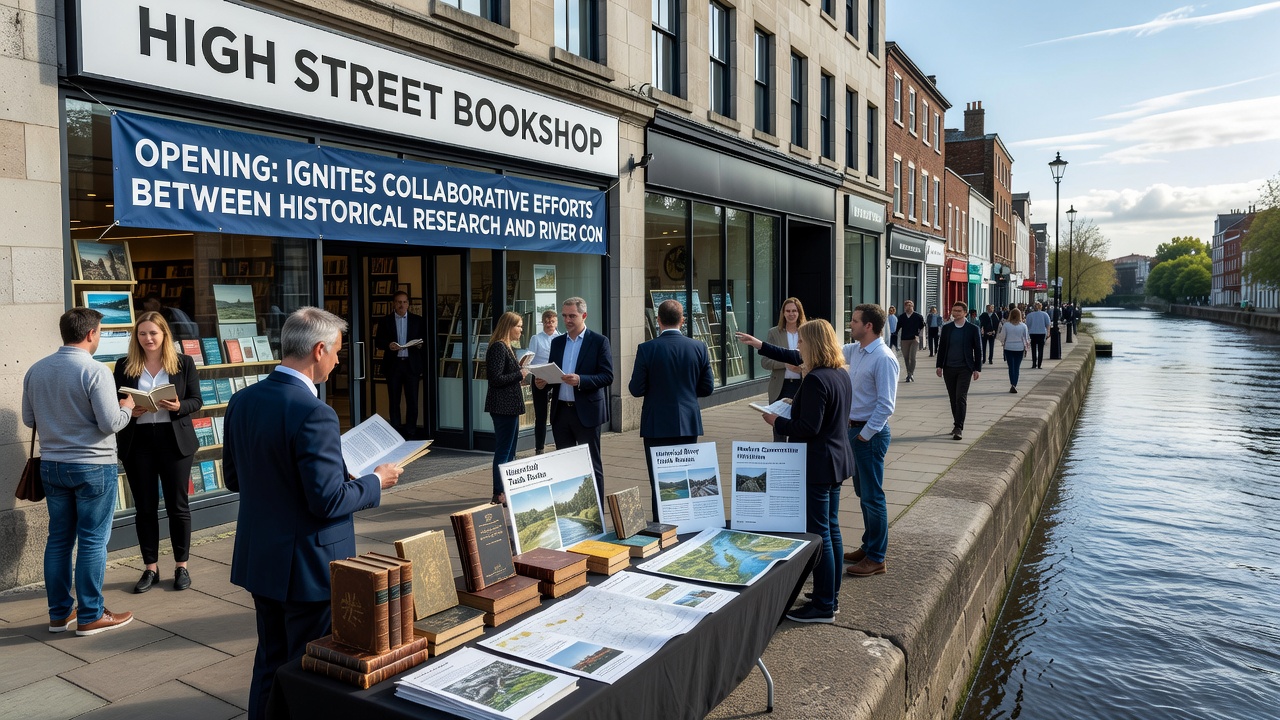
Conservation volunteers have incorporated historical maps into their monitoring routines, which allows them to compare past vegetation patterns with present-day species counts collected during quarterly assessments. Records maintained by the European Environment Agency show that integrating archival data improves the accuracy of habitat restoration forecasts, and the bookshop now serves as a drop-off point for printed survey forms that feed into these databases.
Activities scheduled for September 2026 include joint field days where participants collect water quality readings while noting references from estate ledgers that describe earlier channel modifications, and these outings build on preliminary work already completed during the spring months. Equipment demonstrations held inside the store have introduced participants to portable sensors used by groups in Canada, where similar partnerships between heritage groups and watershed boards have produced shared reports on flood risk reduction.
Collaborative Project Outcomes
Early results from combined efforts include an updated timeline of riverbank alterations that references both 18th-century sketches and recent drone imagery, and this document now circulates among planning committees considering maintenance schedules. Participants report that the bookshop's central location reduces coordination time, since materials and meeting space remain available during regular business hours without additional bookings.
Training sessions planned through the remainder of 2026 will focus on digitization standards that meet requirements set by both historical societies and environmental regulators, and these workshops draw on guidelines published by the International Council on Archives. The store has allocated shelf space for interim reports generated by these teams, which makes findings accessible to residents who visit for other purposes.
Future Coordination Steps
Additional partnerships are under discussion with organizations that maintain long-term datasets on European river systems, and these links aim to place local observations within broader continental trends. Resource sharing agreements established so far cover access to scanning equipment and field kits, which supports continued expansion of the joint database without duplicating purchases already made by individual groups.
Conclusion
The bookshop continues to function as a hub where historical documents and conservation tools intersect on a practical level, and scheduled events through September 2026 will test the durability of these connections. Updated records compiled during the coming months will provide measurable benchmarks for evaluating how effectively the combined approach refines both research outputs and habitat management plans.